
· Vian Hart · Trauma Recovery · 12 min read
EXCLUSIVE: 71% of Adults Have Complex PTSD vs Single-Event PTSD - New UK Study Reveals
Groundbreaking UK research reveals that Complex PTSD affects 71% of trauma-related disorders, yet remains largely invisible to healthcare systems. Discover why millions are misdiagnosed, the $232 billion economic burden, and what evidence-based treatments actually work for invisible trauma.
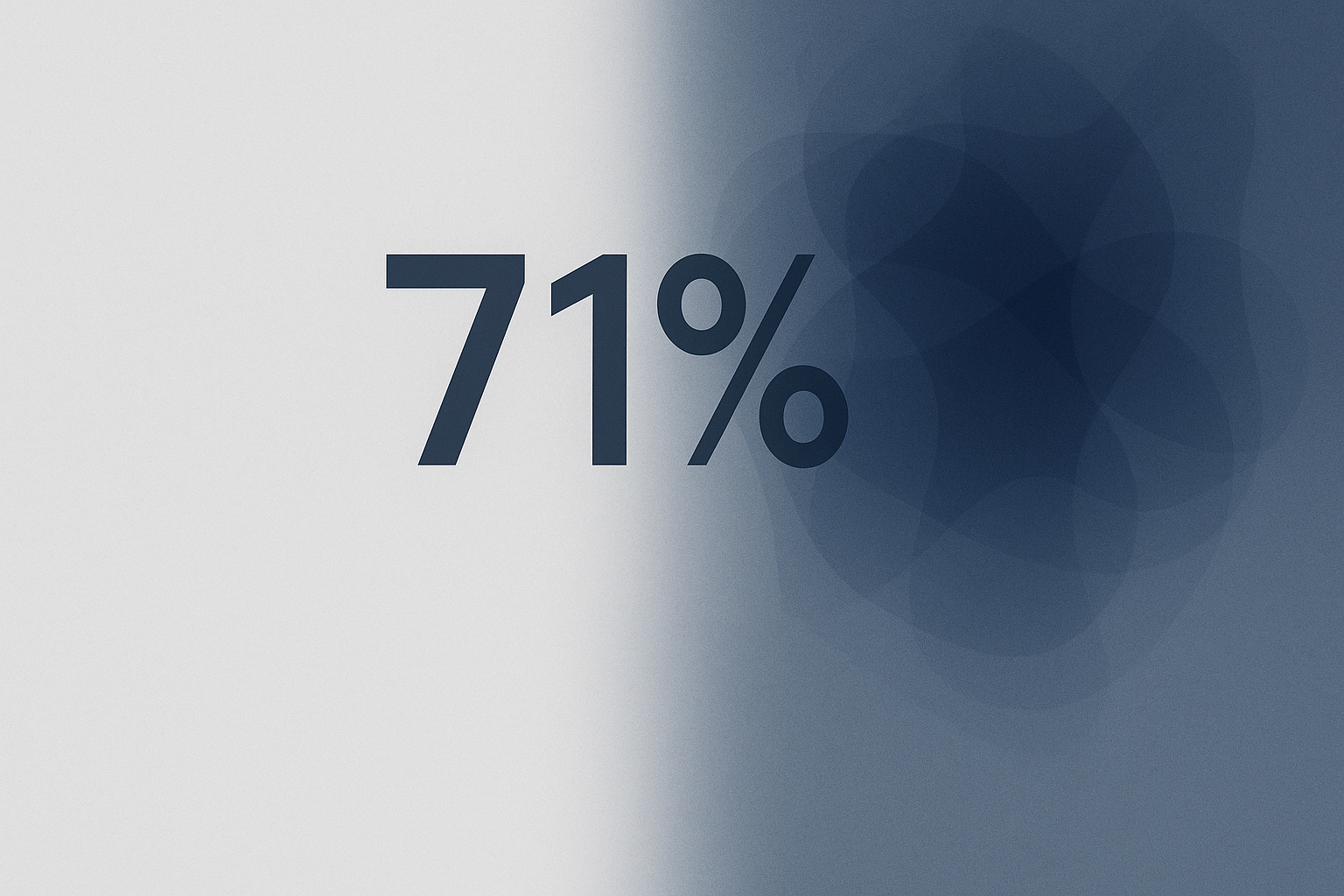
Table of Contents
Key Takeaways
- 71% of trauma-related disorders are Complex PTSD, not single-event PTSD (UK study, 2019)
- 12.9% of trauma-exposed adults meet criteria for C-PTSD vs only 5.3% for regular PTSD
- Up to 80% of C-PTSD cases are misdiagnosed as Borderline Personality Disorder
- Global prevalence reaches 6.2% in general population, 44.7% in clinical populations
- ICD-11 officially recognised Complex PTSD in 2022, but DSM-5 still excludes it
- Treatment requires fundamentally different approaches than single-event PTSD therapy
- $232.2 billion annual economic burden in the United States alone
Introduction
Here’s a statistic that’ll stop you in your tracks…
71% of people diagnosed with trauma-related disorders actually have Complex PTSD, not the single-event PTSD most healthcare providers are trained to treat.
This isn’t some fringe theory. It’s the finding from landmark UK research that’s fundamentally changing how we understand trauma. Yet most trauma survivors have never even heard of Complex PTSD, and the majority of mental health professionals remain unaware of this critical distinction.
Think about that for a moment.
Millions of people worldwide are struggling with invisible wounds that healthcare systems simply aren’t equipped to recognise or treat. They’re told they have depression, anxiety, or personality disorders when the real issue is something entirely different.
The 2019 study by Professor Thanos Karatzias at Edinburgh Napier University didn’t just reveal numbers. It validated what complex trauma survivors have known all along… their experiences are real, their symptoms are legitimate trauma responses, and their healing requires specialised approaches that address the full spectrum of complex trauma’s impact.
Let’s dive into what this research means for the hidden majority.
The UK Study That Changes Everything
The landmark research came from Edinburgh Napier University’s Professor Thanos Karatzias, one of the world’s leading authorities on trauma.
The study examined 1,051 trauma-exposed participants from a nationally representative UK adult population, published in the prestigious journal Depression and Anxiety in 2019.
Here’s what they found…
Among people who develop trauma-related conditions, approximately 71% develop Complex PTSD rather than single-event PTSD. Breaking down the numbers:
- 12.9% of trauma-exposed adults met criteria for Complex PTSD
- Only 5.3% qualified for traditional PTSD
- This 70.9% ratio means C-PTSD represents the typical trauma response

The research team included internationally recognised experts from:
- Edinburgh Napier University
- Ulster University
- King’s College London
- The National Center for PTSD
Their work has been translated into over 30 languages and validated across diverse populations worldwide.
But here’s the crucial bit… this doesn’t mean 71% of all adults have Complex PTSD. It describes the proportion of trauma-related disorders that are complex rather than simple.
“Most trauma is not single-incident,” explained research co-author Marylene Cloitre. “Childhood abuse, domestic violence, captivity situations - these create fundamentally different psychological wounds that require different healing approaches.”
Professor Karatzias, who led development of the ICD-11 Complex PTSD criteria, emphasised that this finding reflects the reality of trauma exposure patterns. The statistics align with what trauma specialists have observed clinically for decades but couldn’t prove with population-level data.
Complex PTSD Gains Global Recognition (Despite American Resistance)
In a historic shift, the World Health Organization officially recognised Complex PTSD in ICD-11, which took effect January 1st, 2022.
This recognition came after decades of advocacy by trauma specialists who’d witnessed countless patients failing to improve with standard PTSD treatments.
What Makes Complex PTSD Different?
Complex PTSD encompasses six symptom clusters instead of PTSD’s three:
Core PTSD Symptoms:
- Re-experiencing (flashbacks, nightmares, intrusive memories)
- Avoidance (avoiding trauma reminders, emotional numbing)
- Hypervigilance (heightened threat detection, startle response)
Additional “Disturbances in Self-Organisation”:
- Emotional dysregulation (difficulty managing intense emotions)
- Negative self-concept (persistent shame, guilt, worthlessness)
- Interpersonal difficulties (relationship struggles, isolation)
This expanded framework captures the reality of developmental trauma’s impact on identity formation, emotional regulation, and relationship capacity.
The American Diagnostic Schism
Here’s where it gets political…
The American Psychiatric Association excluded C-PTSD from DSM-5, arguing that “92% of individuals with C-PTSD also met criteria for PTSD.”
This decision created a diagnostic schism between international and American practice. Leading trauma experts including Dr. Bessel van der Kolk called the exclusion “a tragic mistake,” arguing that the DSM-5’s approach creates diagnostic confusion rather than clarity.
Instead, the DSM-5 expanded PTSD criteria to include 20 symptoms across 4 clusters, creating an unwieldy system with 636,120 possible symptom combinations. This complexity fails to differentiate between trauma types or guide treatment selection.
The result? Clinicians and patients struggle with generic approaches to vastly different conditions, leading to treatment failures and unnecessary suffering.
The Staggering Global Scope of Complex Trauma
Let’s look at the numbers…
A comprehensive 2025 meta-analysis of 167 studies involving 138,681 participants found shocking prevalence rates:
| Population | C-PTSD Prevalence |
|---|---|
| General population | 6.2% |
| Clinical populations | 44.7% |
| Domestic violence survivors | 40% |
| Sexual abuse survivors | 42.8% |
These rates dwarf single-event PTSD prevalence, underscoring how repeated interpersonal trauma creates fundamentally different wounds.

The Childhood Trauma Connection
Research shows 64% of adults experienced at least one Adverse Childhood Experience (ACE), with:
- 69% experiencing multiple traumatic incidents
- Over two-thirds of children reporting trauma by age 16
- At least 1 in 7 experiencing abuse or neglect annually
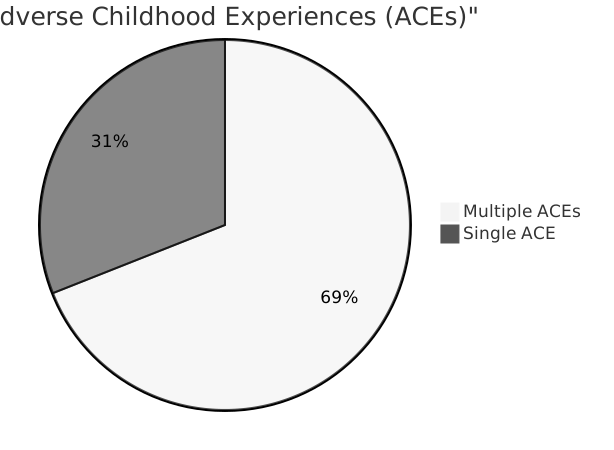
These statistics explain why Complex PTSD, not single-event PTSD, represents the typical trauma response.
The Economic Burden Nobody Talks About
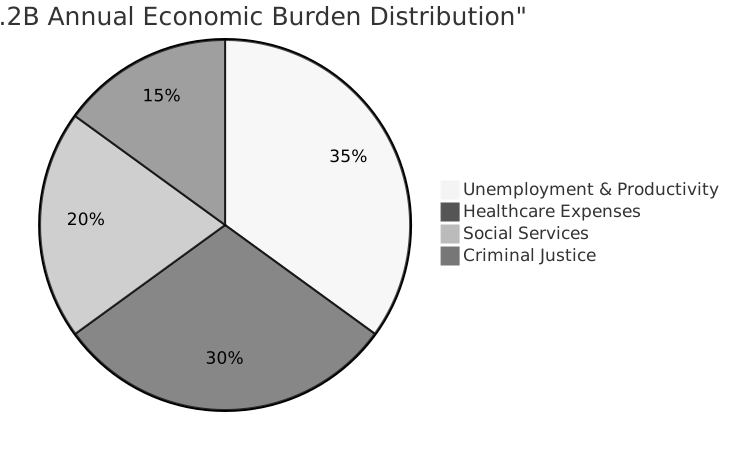
The economic burden of trauma-related disorders totals $232.2 billion annually in the United States alone.
Breaking down the costs:
- Unemployment and productivity losses: 35% of total costs
- Healthcare expenses: billions in medical treatment
- Social services: welfare, disability, support systems
- Criminal justice: incarceration, court costs, victim services
Women represent 66% of overall PTSD cases, contributing disproportionately to economic burden due to higher trauma exposure rates and longer treatment needs.
Gender Patterns Reveal Surprising Truths
Here’s what stunned researchers…
Complex PTSD shows no gender differences, unlike regular PTSD where women are 2-3 times more affected.
This surprising finding suggests different underlying mechanisms. The absence of gender differences may reflect how complex trauma stems from power imbalances and systemic oppression that affect all genders similarly.
Why Complex Trauma Remains Invisible to Healthcare
Up to 80% of Complex PTSD cases are misdiagnosed as Borderline Personality Disorder.
This diagnostic confusion stems from overlapping symptoms:
- Emotional dysregulation
- Interpersonal difficulties
- Negative self-concept
- Impulsive behaviours
- Self-harm tendencies
However, critical distinctions exist:
| Complex PTSD | Borderline Personality Disorder |
|---|---|
| Stable negative self-concept | Fluctuating self-image |
| Relationship avoidance during conflict | Rapid idealisation-devaluation cycles |
| Clear trauma history | May or may not have trauma |
| Responds to trauma-focused therapy | Requires dialectical behaviour therapy |
The Training Gap Crisis
Complex PTSD remains “basically unheard of” in primary care, with limited recognition in secondary care.
Only psychiatrists and trauma-specialised psychologists are typically aware of C-PTSD, creating a knowledge bottleneck that leaves most healthcare providers unable to recognise complex trauma presentations.
Professional reluctance compounds the problem. Many therapists fear treating complex trauma due to perceived inadequate training, leading to a “passing the buck” phenomenon where patients get referred between services without proper diagnosis.
This system failure consolidates patients’ negative self-concepts and reinforces beliefs about being “untreatable” or “difficult.”
Why Survivors Don’t Recognise Their Own Symptoms
Complex trauma survivors often struggle to recognise their own symptoms because:
- Decades of trauma normalise dysfunctional patterns - symptoms feel like personality flaws rather than injury responses
- Complex symptom presentation defies easy categorisation - spanning emotions, relationships, self-concept, and trauma responses
- Lack of public awareness - most people have never heard of C-PTSD
- Shame and self-blame - survivors often believe they’re fundamentally broken rather than injured
The invisibility of complex trauma creates a vicious cycle where lack of recognition perpetuates suffering, which reinforces the belief that something is fundamentally wrong with the person rather than being a natural response to abnormal circumstances.
Treatment Breakthrough: Why Standard Approaches Fail
Here’s the uncomfortable truth…
Complex PTSD requires fundamentally different treatment approaches than single-event PTSD, yet most trauma therapies were designed for single-incident trauma.
The Success Rate Gap
Standard PTSD treatments show impressive results for single-event trauma:
EMDR (Eye Movement Desensitisation and Reprocessing)
- Achieves 84-90% improvement
- In just three 90-minute sessions
- For single-trauma victims
But complex trauma survivors need:
- 8-12+ EMDR sessions minimum
- Extensive preparation phase
- Ongoing stabilisation work
- Multiple therapeutic modalities
Why the Difference Matters
Single-event PTSD can proceed rapidly to trauma processing. Think car accident, natural disaster, or isolated assault. The person had a stable foundation before the trauma.
Complex PTSD requires extensive stabilisation first. Repeated trauma during developmental periods means there’s no stable foundation to return to. The trauma is woven into identity, emotional regulation, and relationship patterns.
Judith Herman’s triphasic model recognises this reality:
Phase 1: Safety and Stabilisation (Months to Years)
- Emotional regulation skills
- Distress tolerance techniques
- Relationship boundary setting
- Self-care capacity building
Phase 2: Processing (6-18 Months)
- Trauma memory integration
- Narrative reconstruction
- Meaning-making work
- Grief and loss processing
Phase 3: Integration (Ongoing)
- Reconnection with others
- Life rebuilding activities
- Purpose and meaning development
- Post-traumatic growth
Premature trauma processing risks symptom exacerbation, emotional dysregulation, and self-harm for complex trauma survivors.
What Actually Works for Complex PTSD
Phase-based approaches show remarkable success when properly implemented:
Skills Training in Affect and Interpersonal Regulation (STAIR)
- Effect sizes: d = 1.34 to 2.29 (clinician assessments)
- Focuses on emotional regulation before trauma processing
- Combines cognitive therapy with interpersonal skills
Internal Family Systems (IFS)
- Large effect sizes for PTSD: d = −4.46
- C-PTSD features: d = −1.27
- Views traumatised parts as protective systems
- Emphasises self-compassion and internal harmony
Trauma-Focused Cognitive Behavioural Therapy (TF-CBT)
- Adapted for complex trauma with extended stabilisation
- Includes gradual exposure components
- Emphasises safety and pacing
The Body Remembers What the Mind Forgets
Somatic and body-based approaches gain recognition as essential components of complex trauma treatment.
As Dr. Bessel van der Kolk emphasises: “Talking alone doesn’t reach the ‘survival brain’” trapped in chronic stress responses.
Effective body-based approaches:
- Somatic Experiencing
- Trauma-sensitive yoga
- Sensorimotor psychotherapy
- Dance/movement therapy
- Martial arts with trauma-informed instruction
These therapies address the physiological aspects of complex trauma that traditional talk therapy cannot reach - the chronic muscle tension, hypervigilance, dissociation, and nervous system dysregulation that define C-PTSD.
Emerging Treatments Offer Unprecedented Hope
The trauma treatment landscape is evolving rapidly…
Virtual Reality Revolution
Virtual Reality Exposure Therapy (VRET) shows medium effect sizes (g = 0.62) compared to waitlist controls.
The US Veterans Affairs has deployed:
- Over 1,450 VR headsets
- Across 165+ medical centres
- For PTSD treatment delivery
Brown University research achieved something remarkable - combining VR therapy with transcranial direct current stimulation delivered 12-week treatment effects in just 2 weeks.
This acceleration could transform accessibility for complex trauma survivors who need extended treatment but face barriers like cost, time, or geographic isolation.
Artificial Intelligence Applications
Machine learning algorithms achieve 89-96% accuracy in PTSD diagnosis by analysing:
- Brain imaging patterns
- Voice pattern analysis
- Multi-dimensional data integration
- Symptom presentation patterns
Yale research successfully predicted PTSD symptom severity 14 months after initial trauma using brain imaging and ML models.
These advances could revolutionise:
- Early identification of complex trauma
- Treatment matching and personalisation
- Outcome prediction
- Resource allocation
The MDMA Setback
The FDA rejected MDMA-assisted psychotherapy in August 2024 after an advisory panel voted 10-1 against approval.
Concerns included:
- Study design methodology
- Safety and abuse potential
- Inadequate follow-up data
- Unclear efficacy mechanisms
This rejection eliminated what would have been:
- The first new PTSD treatment in 24 years
- The first FDA-approved Schedule I psychedelic therapy
- A potentially transformative option for treatment-resistant cases
However, research continues in other jurisdictions, and alternative psychedelic therapies remain under investigation.
Alternative Breakthrough Treatments
Stellate Ganglion Block (SGB)
- Local anaesthetic injection to stellate ganglion nerve
- Minimal side effects
- Long-lasting relief
- Shows significant promise in clinical trials
Hyperbaric Oxygen Therapy
- 68% of patients show improvement
- Effects lasting 2+ years
- Non-invasive treatment
- Particularly effective for combat veterans
Neurofeedback Training
- Teaches brain regulation skills
- No medication required
- Growing evidence base
- Accessible and safe
These approaches offer hope for treatment-resistant complex PTSD cases where traditional therapies have failed.
Pro Tip: Finding the Right Support
If you recognise yourself in this article, here’s what to do…
Look for trauma-informed therapists who specifically list Complex PTSD or developmental trauma in their specialisations. General therapists, however well-meaning, often lack the training for complex trauma work.
Interview potential therapists before committing. Ask:
- “What’s your experience treating Complex PTSD?”
- “What therapeutic approaches do you use for complex trauma?”
- “Do you follow a phase-based treatment model?”
- “How do you handle emotional dysregulation in sessions?”
Don’t rush trauma processing. If a therapist wants to dive straight into traumatic memories without building safety and skills first, find someone else. Premature processing causes more harm than good.
Consider group work alongside individual therapy. The solidarity and normalisation that comes from connecting with others who understand complex trauma proves invaluable for many survivors.
The Path Forward for Survivors and Systems
The evidence overwhelmingly demonstrates that Complex PTSD represents the majority of trauma-related disorders, yet healthcare systems remain poorly equipped to recognise and treat this condition.
The 71% statistic from UK research validates what complex trauma survivors have long known: their experiences are real, their symptoms are legitimate trauma responses, and their healing requires specialised approaches.
Your wounds are real. Your healing is possible. You deserve support that recognises the true nature of your trauma.
Your Next Steps
Ready to start your healing journey?
Discover “The Hidden Wounds: How to Heal From Trauma No One Can See” - Vian Hart’s comprehensive guide to understanding and healing from Complex PTSD.